



Why Shravan is the Best Time for Meditation and Yogic Practices
The month of Shravan (or Sawan) is not just a time of rituals and fasting—it’s a sacred invitation to slow down, turn inward, and elevate your spiritual practice. While many know Shravan as a period devoted to Lord Shiva, few explore its deeper connection with yoga, meditation, and inner transformation.
Let’s delve into how Shravan becomes even more powerful when seen through the ancient lens of yogic wisdom.
1. Shravan: The Month of Inner Silence
In Sanskrit, the word "Shravan" means "to listen." This is not limited to hearing sounds but refers to deep, intuitive listening—the kind that happens when the mind becomes still.
Yoga and meditation encourage inner silence, and Shravan provides the perfect environment for this. The world slows down, the rains wash away distractions, and nature itself supports introversion.
During Shravan, the yogi doesn't just fast from food—but also from negative thoughts, excessive speech, and sensory overload.
2. Shiva: The Adiyogi, Lord of Yogis
Lord Shiva is worshipped not just as a deity, but as the Adiyogi—the first yogi and the ultimate symbol of meditation and detachment.
>His posture in deep meditation under the Himalayas
>His third eye, representing awareness beyond the mind
>His stillness amidst chaos
…all point to the core principles of yogic practice.
During Shravan, Shiva’s energy is said to be most accessible, making it the ideal time to deepen your yoga and meditation practice.
3. Fasting as a Yogic Practice
Fasting in Shravan (especially on Mondays) is not just ritualistic—it’s a discipline of the body and mind. In yogic philosophy:
>Fasting purifies the nadis (energy channels)
>Reduces tamas (inertia) and increases sattva (purity)
>Enhances focus and inner stillness
By abstaining from food, distractions, and indulgences, the practitioner prepares for deeper states of meditation.
4. Alignment with the Chakras
Each week of Shravan can be used to work on a specific chakra (energy center) through:
>Focused meditation
>Pranayama (breath control)
>Mantra chanting (especially “Om Namah Shivaya”)
For example:
Week Focus Chakra Practice Tip
1 Root (Muladhara) Grounding yoga poses, stability meditations
2 Heart (Anahata) Compassion practices, gratitude journaling
3 Third Eye (Ajna) Silent sitting, trataka (candle gazing)
4 Crown (Sahasrara) OM chanting, meditating on oneness
Shravan thus becomes a month-long spiritual detox and reset.
5. Mantra: Tuning into the Divine Frequency
The vibrational power of mantras is amplified during Shravan. Chanting “Om Namah Shivaya” or Maha Mrityunjaya Mantra in a meditative state helps:
>Dissolve inner fears
>Align your breath with divine rhythm
>Awaken higher consciousness
Yoga teaches that sound is energy, and Shravan's peaceful environment amplifies this vibration like an echo in a sacred cave.
6. The Monsoon Mind: Meditation and Weather
Interestingly, the rainy season itself promotes meditation:
>The consistent sound of rain induces calmness
>Overcast skies reduce visual stimulation
>Cooler temperatures slow the body and quieten the mind
This is why ancient yogis often retreated to caves or forests during Shravan—to meditate without interruption and merge with nature’s rhythms.
Conclusion: A Yogic Pathway Hidden in Plain Sight
Shravan is not just about what you do outwardly—it's about what you let go of inwardly. When seen through the lens of yoga and meditation:
>Fasting becomes purification
>Worship becomes self-surrender
>Chanting becomes inner resonance
>Stillness becomes Shiva
The divine power of Shravan is already flowing—you only need to sit still enough to feel it.
Practice Tips for Shravan Yogis
>Begin your day with Surya Namaskar and silent meditation
>Fast or eat sattvic foods to support your energy body
>Chant “Om Namah Shivaya” 108 times daily
>Dedicate one weekly session to chakra-based meditation
>Spend time in nature, under trees or near water
Why Shiva Is More Easily Pleased During Shravan: Theological Insights
12 Jyotirlingas and Their Connection to Shravan: Pilgrimage Guide for Devotees
Related Posts

Shop Exquisite Ram Lalla Idols Online | Dussehra 2025 Celebration

Divine Diwali Gifts: Hindu God Idols for Home & Loved Ones

God Idols for Gifting: Housewarming, Birthday, Anniversary & Corporate

Corporate Gifting Hindu God Idols | Handcrafted Spiritual Gifts

How to Celebrate Paryushan with Navkar Maha Mantra Pyramid.
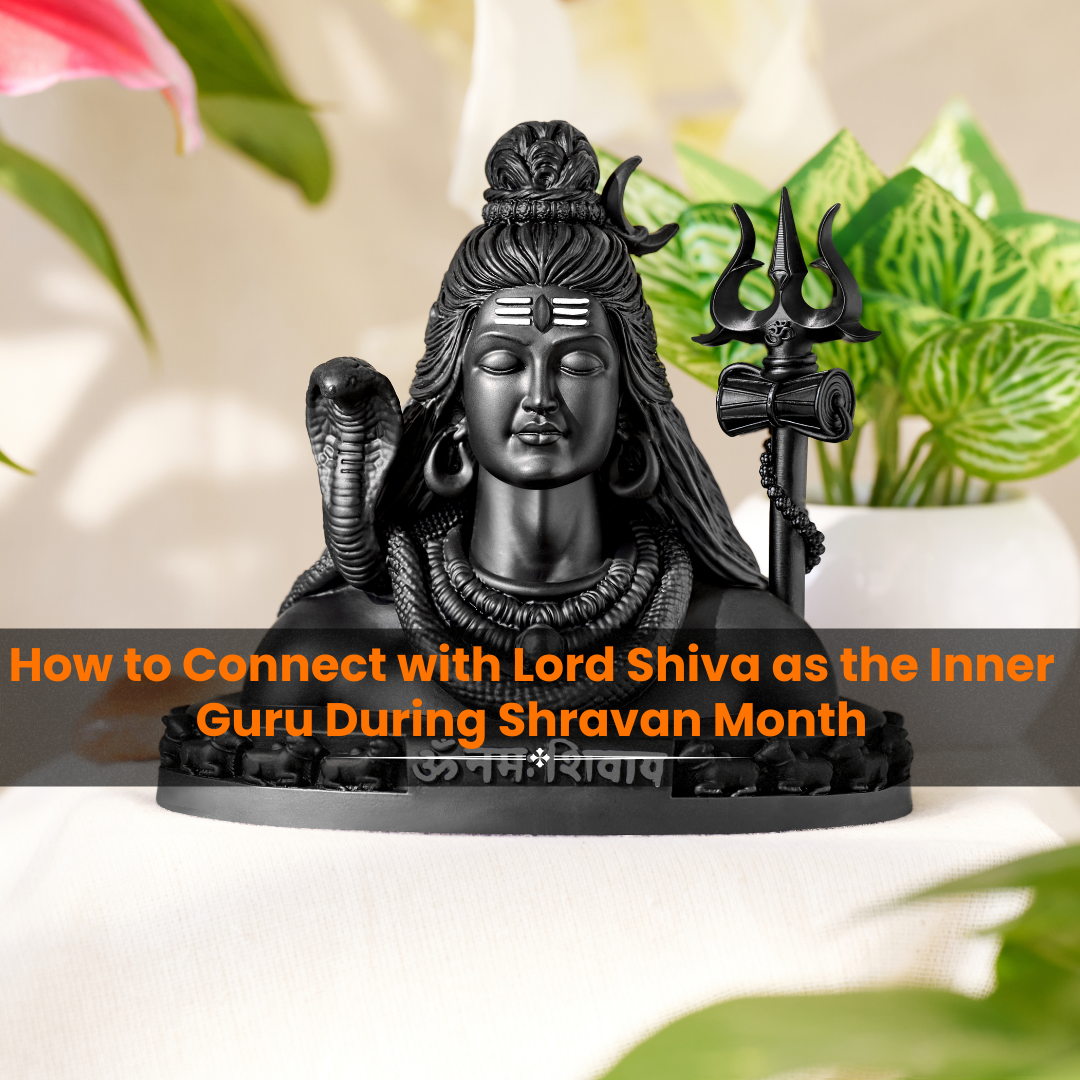
How to Connect with Lord Shiva as the Inner Guru During Shravan Month
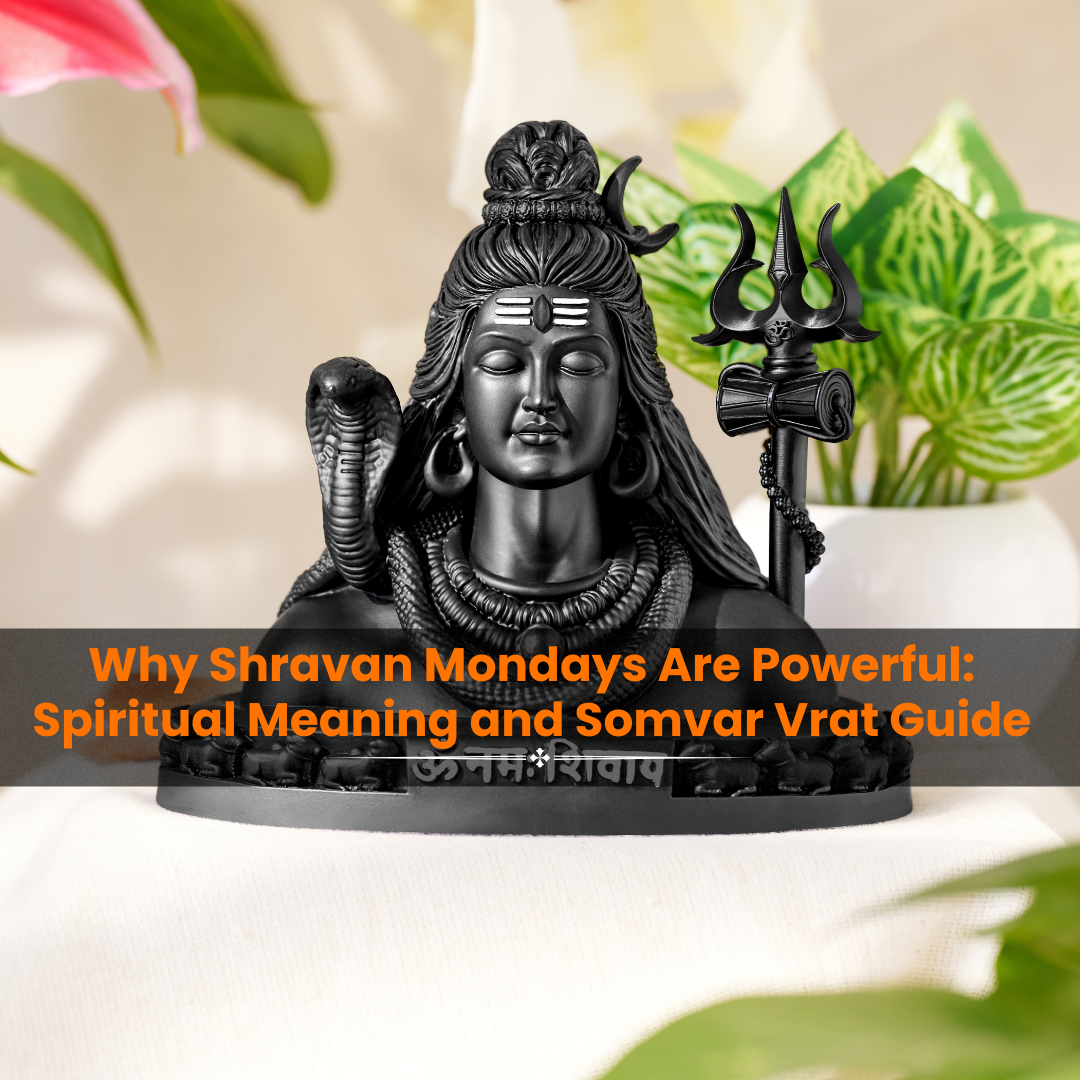
Why Shravan Mondays Are Powerful: Spiritual Meaning and Somvar Vrat Guide

