


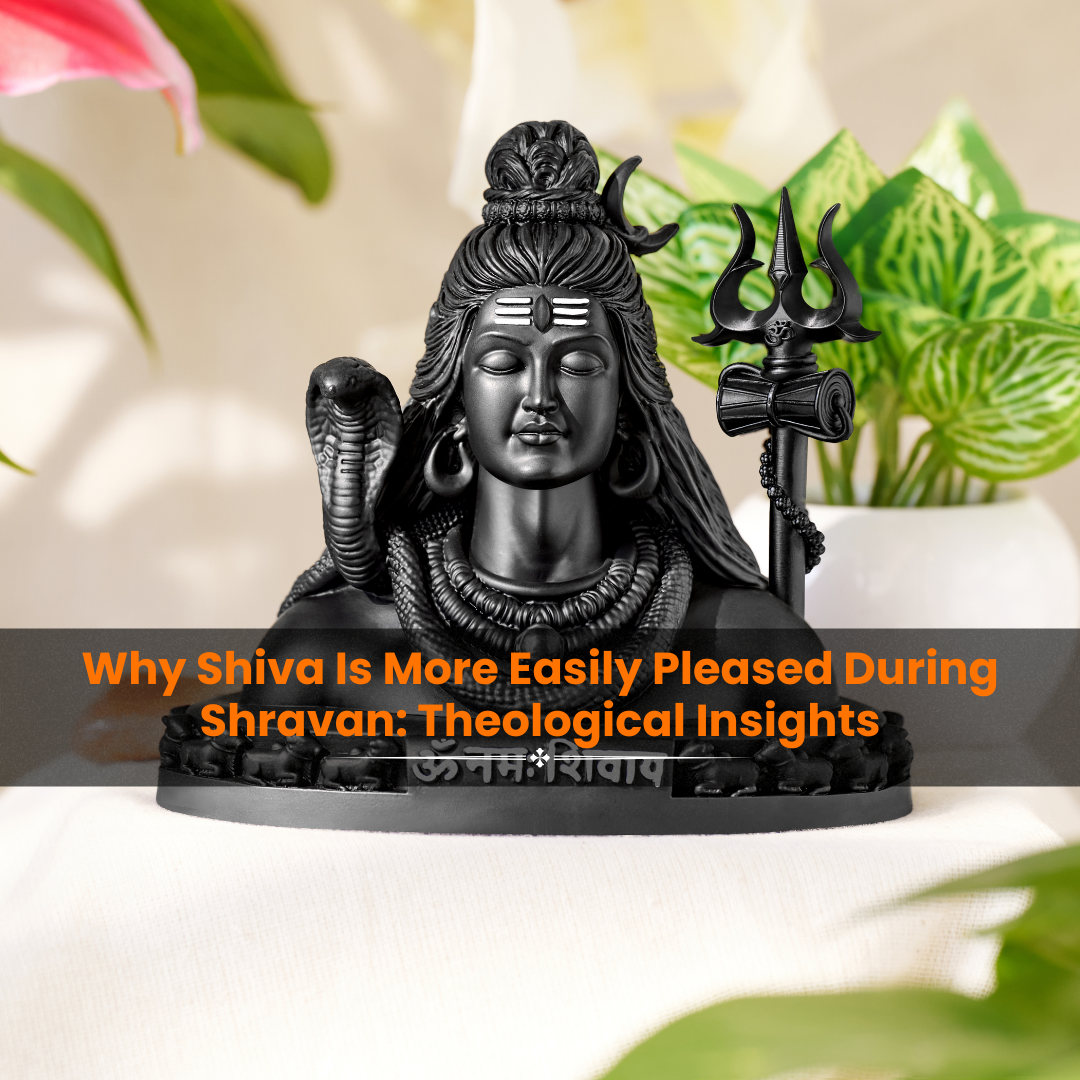
Why Shiva Is More Easily Pleased During Shravan: Theological Insights
Shravan, also known as Sawan, is one of the holiest months in the Hindu calendar, especially dedicated to Lord Shiva. Devotees across India and beyond observe fasting, chant mantras, and perform rituals throughout this sacred period. But a profound theological question often arises:
Why is Lord Shiva believed to be more easily pleased during the month of Shravan?
Let’s explore the spiritual, mythological, and theological insights behind this divine truth.
1. The Cosmic Significance of Shravan
The month of Shravan is associated with the Shravan Nakshatra, which is connected to Lord Vishnu—but it's the combination of planetary alignments, the monsoon season, and spiritual vibrations during this time that make it ideal for Shiva worship. The Chaturmas (four holy months) also begins during Shravan, making it a time for tapasya (austerity), purification, and spiritual awakening.
2. Mythological Origins: Samudra Manthan and Shiva's Sacrifice
One of the key reasons Shiva is revered during Shravan is due to the Samudra Manthan (churning of the cosmic ocean). During this celestial event:
>A deadly poison called Halahala emerged.
>To save the universe, Lord Shiva consumed the poison, holding it in His throat.
>This turned His throat blue, earning Him the name Neelkanth.
It is believed that this occurred during Shravan month, and since then, devotees offer cooling substances like milk, water, and bilva leaves to soothe Mahadev and express gratitude.
3. Shiva: The Most Easily Pleased Deity
Scriptures and saints describe Shiva as “Bholenath”, the innocent and compassionate one:
>He doesn’t discriminate between a king and a beggar.
>He grants boons even to demons and outcasts, provided their devotion is pure.
>In Shravan, the vibrations of collective devotion and fasting are so intense that His compassionate aspect becomes even more accessible.
4. Ritual Power: Amplified Blessings During Shravan
Every Monday (called Shravan Somvar ) is considered exceptionally powerful:
>Devotees fast and visit Shiva temples.
>Abhishekam (ritual bathing) is performed with water, milk, curd, ghee, honey, and sugar.
>Chanting “Om Namah Shivaya” during this month is said to burn away karma and attract divine grace.
The rituals of Shravan are magnified—meaning even a small act of devotion brings profound rewards.
5. Astrological Alignment and Spiritual Energy
Shravan usually falls between July and August, during which the planetary alignments are conducive to meditation, mantra chanting, and spiritual purification:
>The moon (mind) is highly active during this time, and Shiva is the Lord of the Moon (Chandrashekhara).
>Focusing on Shiva helps stabilize emotions and bring inner clarity.
Shravan is a time when the gateways between the physical and the spiritual realms are more open.
6. Modern-Day Relevance: Shiva’s Grace in Daily Life
In today’s world of chaos, competition, and confusion, Shravan offers a pause—a chance to reconnect with your higher self:
Shiva doesn’t ask for wealth or luxury—He seeks only devotion and sincerity.
Even a single bilva leaf offered with a pure heart is said to move Him.
That is why people across social backgrounds observe Shravan vrat, chant Shiva mantras, and feel transformed.
Conclusion: The Door to Shiva’s Heart Opens Wider in Shravan
Lord Shiva’s grace is always present, but during Shravan, it becomes more approachable, more forgiving, and more transformational. Whether you are a seasoned spiritual seeker or just beginning your path, Shravan is the perfect time to deepen your connection with Mahadev.
If there’s one month when the universe listens with open ears and open arms, it is Shravan—and Shiva, the Bholenath, is ready to respond with open heart.
Tips for Devotees: How to Please Shiva During Shravan
>Fast on Mondays (Shravan Somvar Vrat)
>Offer water, milk, and bilva leaves to a Shiva Lingam
>Chant "Om Namah Shivaya" 108 times daily
>Avoid onion, garlic, meat, and alcohol
>Read or listen to Shiva Purana
>Meditate on Shiva’s form or mantra
When Is Shravan in 2025? Dates,Significance, and Rituals to Know
Why Shravan is the Best Time for Meditation and Yogic Practices
Related Posts

Shop Exquisite Ram Lalla Idols Online | Dussehra 2025 Celebration

Divine Diwali Gifts: Hindu God Idols for Home & Loved Ones

God Idols for Gifting: Housewarming, Birthday, Anniversary & Corporate

Corporate Gifting Hindu God Idols | Handcrafted Spiritual Gifts

How to Celebrate Paryushan with Navkar Maha Mantra Pyramid.
How to Connect with Lord Shiva as the Inner Guru During Shravan Month
Why Shravan Mondays Are Powerful: Spiritual Meaning and Somvar Vrat Guide

