


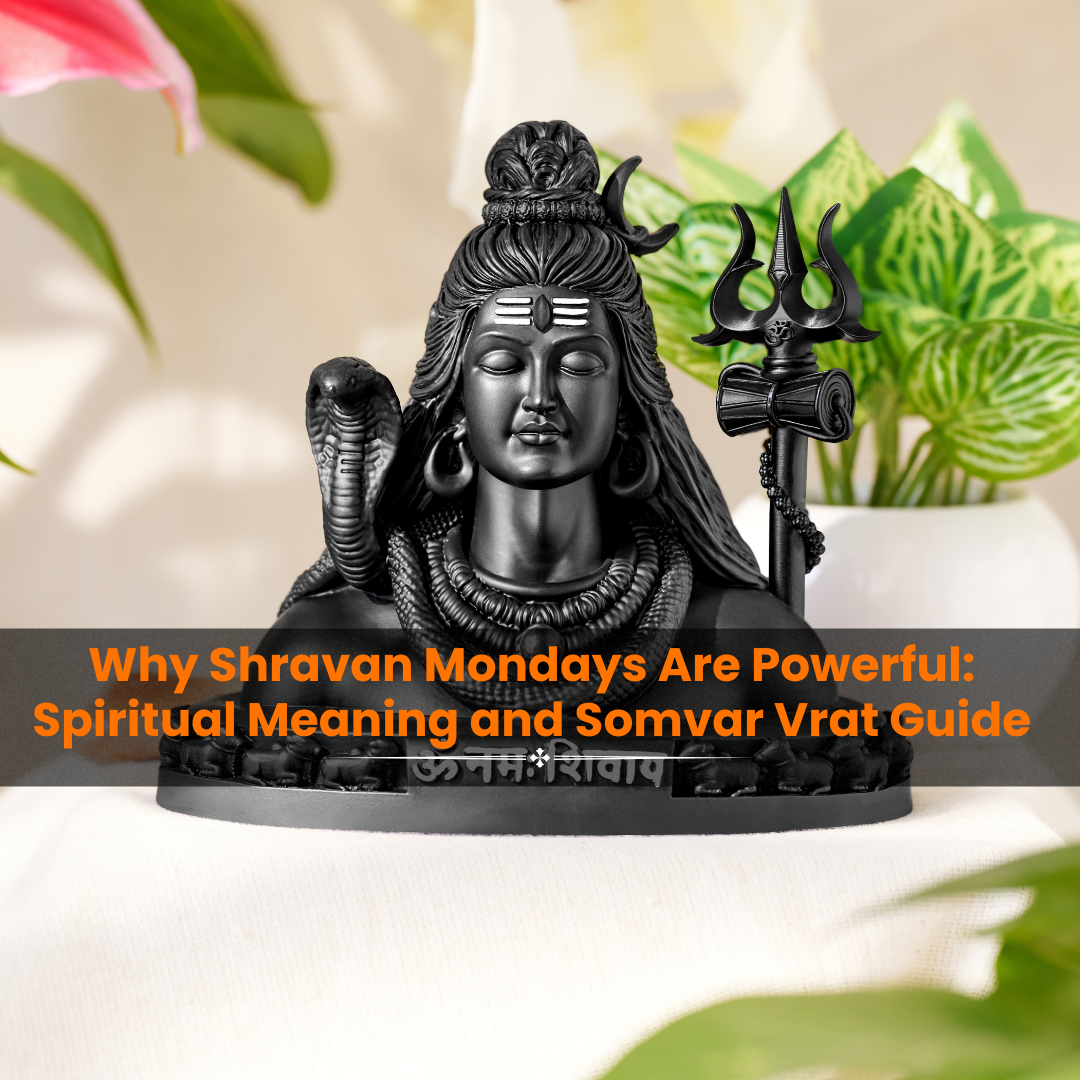
Why Shravan Mondays Are Powerful: Spiritual Meaning and Somvar Vrat Guide
The month of Shravan (Sawan) holds a deeply sacred place in Hindu spirituality, especially for devotees of Lord Shiva. Among its most significant observances are the Shravan Somvar Vrats—fasts and prayers offered every Monday during this lunar month. Far more than ritual, these Mondays represent an opportunity for a spiritual reset, a time to slow down, reflect, and realign with the divine.
Why Mondays Are Sacred to Lord Shiva
In Hindu mythology, Monday (Somvar) is dedicated to Lord Shiva, the deity of transformation, destruction (for renewal), and inner stillness. According to legends:
>During the Samudra Manthan (churning of the ocean), Lord Shiva consumed the deadly Halahala poison to save creation. This act of cosmic sacrifice is said to have occurred on a Monday.
>The Moon (Chandra) resides in Shiva’s jataa hair. Since "Som" means moon, Monday becomes symbolically tied to Shiva’s calming, meditative energy.
Hence, fasting and praying on Mondays—especially in Shravan, when Shiva’s cosmic energy is believed to be strongest—holds immense spiritual power.
What is the Shravan Somvar Vrat?
The Shravan Somvar Vrat is a voluntary fast and worship observed every Monday of the Shravan month. It’s a time when devotees:
>Fast (partial or full) as a form of self-discipline.
>Offer milk, water, honey, and Bilva leaves to the Shiva Lingam.
>Chant “Om Namah Shivaya” or the Maha Mrityunjaya Mantra.
>Attend or perform Shiv Abhishekam (ritual bathing of the idol).
>Spend the day in prayer, meditation, and reflection.
Unmarried women observe this fast with the hope of getting a devout life partner like Lord Shiva, while married devotees seek marital harmony, health, and prosperity.
The Spiritual Reset: More Than a Ritual
Each Monday of Shravan offers a space to pause the outward rush of life and tune inward. Here's how:
1. Detox of the Body and Mind
Fasting reduces mental fog and lethargy, allowing a clearer connection to the divine. Avoiding tamasic foods (meat, alcohol, garlic, onion) cultivates sattva (purity).
2. Heightened Spiritual Focus
Repeated chanting and focused prayers still the mind, promoting inner peace and mental clarity—ideal for spiritual seekers.
3. Developing Discipline
Fasting teaches restraint, patience, and mindfulness, aligning us with Shiva’s ascetic nature.
4. Letting Go of Attachments
Mondays offer the perfect time to release emotional burdens and toxic patterns—symbolizing the destruction of ego and negativity
How to Observe Shravan Somvar Vrat (Step-by-Step)
Morning:
>Take a bath and wear clean (often white or light-colored) clothes.
>Set up a sacred space with a Shiva Lingam or idol.
>Offer Gangajal, milk, curd, honey, sugar, ghee, and Bilva leaves to the deity.
>Light a diya and incense.
Throughout the Day:
>Fast (nirjala - without water; phalahar - fruits only; or satvik meals).
>Chant "Om Namah Shivaya" or read the Shiv Chalisa or Shiv Puran.
>Avoid negative thoughts, gossip, and distractions.
>Practice meditation or silence for some time.
Evening:
Perform aarti, offer prasad, and break your fast (if following phalahar or satvik).
Conclusion: Embrace the Divine Rhythm
The Shravan Somvars are not just about religious obligation—they’re invitations to reset your spiritual compass. In the quiet of Monday devotion, we find a stillness that reflects the very essence of Shiva: calm, detached, aware, and compassionate.
Whether you're seeking peace, healing, transformation, or divine connection—let each Monday be a spiritual milestone in your journey through Shravan.
What Does Shiva’s Trident Teach Us About Life’s Three Forces?
How to Connect with Lord Shiva as the Inner Guru During Shravan Month
Related Posts

Shop Exquisite Ram Lalla Idols Online | Dussehra 2025 Celebration

Divine Diwali Gifts: Hindu God Idols for Home & Loved Ones

God Idols for Gifting: Housewarming, Birthday, Anniversary & Corporate

Corporate Gifting Hindu God Idols | Handcrafted Spiritual Gifts

How to Celebrate Paryushan with Navkar Maha Mantra Pyramid.
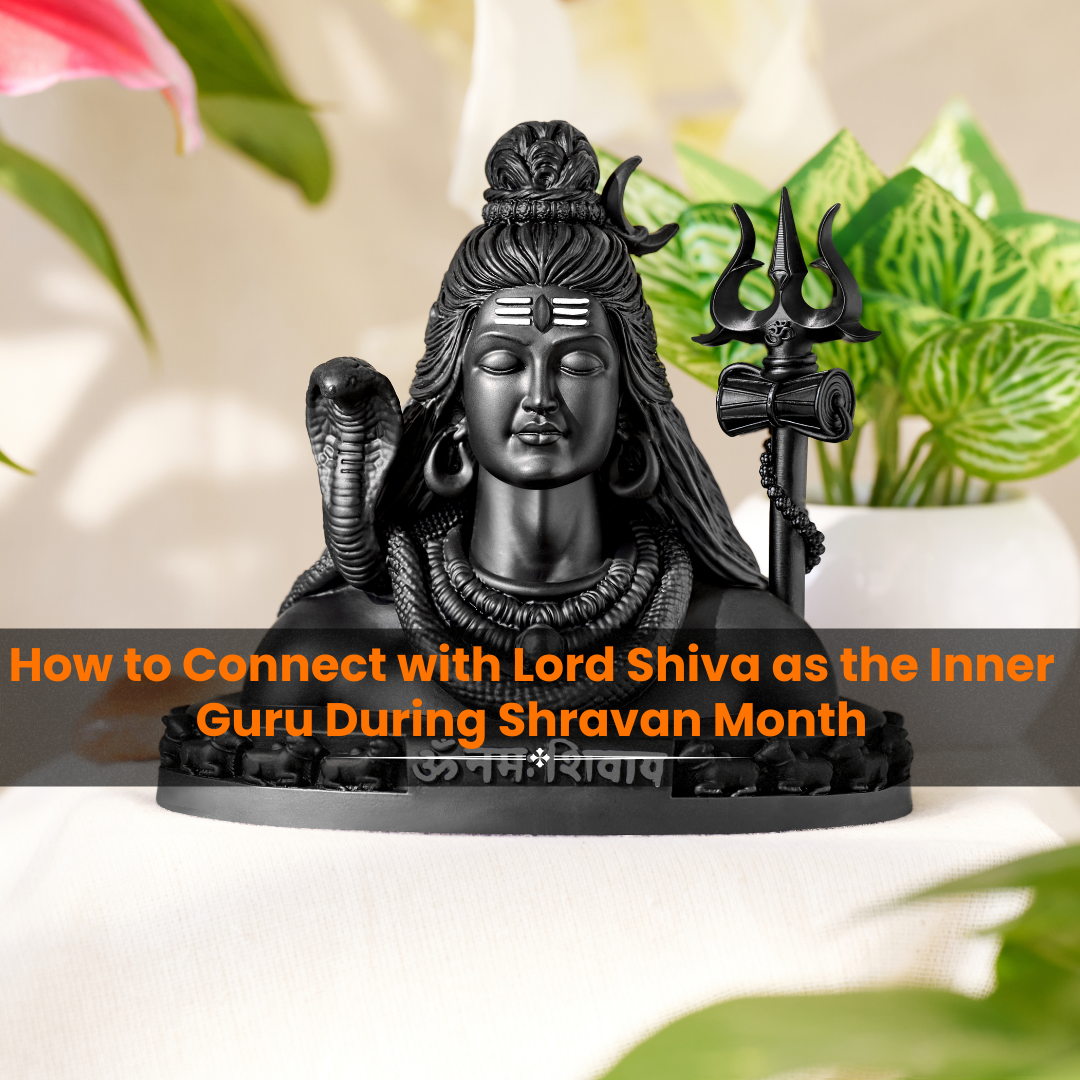
How to Connect with Lord Shiva as the Inner Guru During Shravan Month

