


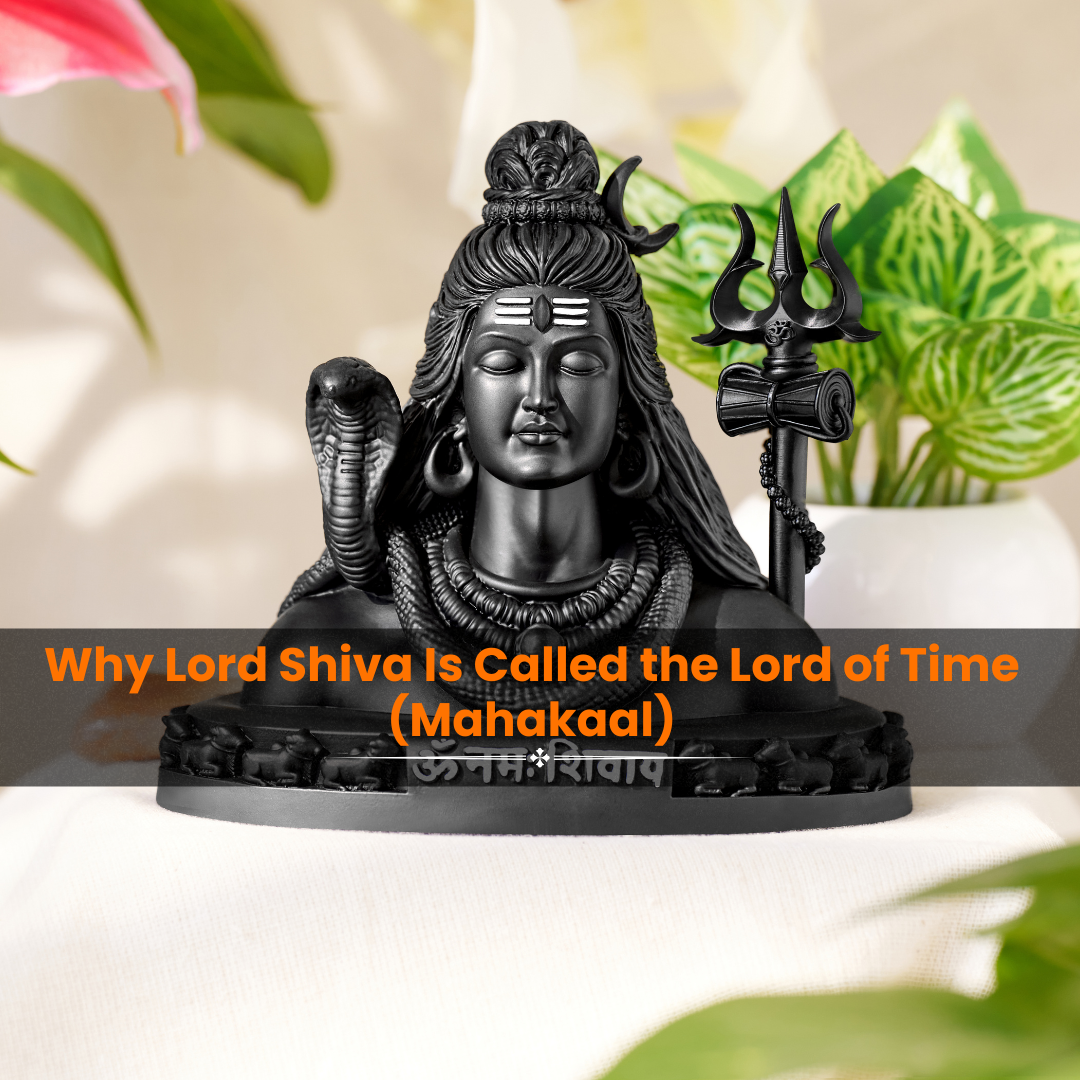
Why Lord Shiva Is Called the Lord of Time (Mahakaal)
“Kaalaswarupaya Namah – Salutations to the One who is the very embodiment of Time.”
Among the many powerful names of Lord Shiva, Mahakaal holds a special place. In Sanskrit, “Maha” means great, and “Kaal” means time or death. Thus, Mahakaal means "The Great Time" or "The Lord of Time and Death." But this title isn't just symbolic—it reveals profound spiritual truths found in Hindu scriptures, philosophy, and yogic wisdom.
Let’s explore the origins, meaning, and deeper significance of Lord Shiva as Mahakaal.
Time in Hindu Philosophy
In Sanatana Dharma (Hinduism), time (Kaal) is not just a way to measure events—it’s a living force, often considered the most powerful force in the universe. Time creates, sustains, and eventually destroys everything. Even gods, demons, galaxies, and worlds are subject to time.
But there is one who is beyond it all—Mahakaal, Lord Shiva.
Why Shiva is Beyond Time
According to various Puranas and the Upanishads, Lord Shiva is not bound by time, space, or physical form. He is often referred to as:
>Trikaal Darshi – Knower of the past, present, and future
>Kalantaka – The ender of time
>Mahadeva – The Supreme Being beyond cosmic order
Shiva’s eternal stillness, represented by his meditative form on Mount Kailash, shows his unchanging nature even as the cosmos constantly changes. Time moves forward, but Shiva remains unmoved. That’s why he is Mahakaal—the one before time began and the one who remains after it ends.
Shiva as the Destroyer of Time
In the Shiva Purana, it is said that when the universe dissolves, even Kaal (time) merges into Shiva. He is not only the master of time but the destroyer of time when needed. In this role, he governs the final stage of existence—destruction, so that new creation can arise.
This cyclical process (Srishti - Sthiti - Samhara) of creation, preservation, and destruction is embodied in the Trimurti, with Shiva being the ultimate force of transformation.
Mahakaal Temple in Ujjain: A Living Symbol
The Mahakaleshwar Jyotirlinga in Ujjain, Madhya Pradesh, is one of the twelve sacred Jyotirlingas and perhaps the most powerful representation of Mahakaal.
>Here, Lord Shiva is worshipped in his fiercest form as Mahakaal, the destroyer of all negative forces and the ultimate ruler of time.
>Uniquely, this is the only south-facing Jyotirlinga, symbolizing his control over death.
>The Bhasma Aarti, where ash from cremation grounds is offered to the Shiva Linga every morning, reflects Shiva’s dominion over death and impermanence.
Spiritual Meaning: Mastering Time Within
Calling Shiva “Mahakaal” isn’t just a mythological label—it has deep spiritual relevance:
>Shiva teaches that everything in time will change, decay, or die.
>By meditating on Mahakaal, we are reminded to go beyond time-bound worries like fear of aging, loss, or death.
>Devotees who connect with Mahakaal seek inner peace, detachment, and freedom from the illusion of time (Maya).
Mahakaal in Yogic Terms
In yogic tradition, time is linked to mind and ego. When the mind becomes still, time dissolves. Shiva, the Adiyogi (first yogi), is that timeless stillness. Advanced yogis meditate on Mahakaal to transcend time and ego, entering a state of eternal awareness.
Scriptural References to Mahakaal
>Shiva Purana: Describes Shiva as the one who absorbs the universe and time itself.
>Linga Purana: Mentions Mahakaal as the ultimate refuge when time destroys all forms.
>Bhagavad Gita (Chapter 11): Even Lord Krishna reveals his Vishwaroopa as “Kaala”—reflecting the same essence as Mahakaal.
Conclusion: Worshipping Mahakaal Today
In a world obsessed with speed, deadlines, and the fear of aging, Mahakaal reminds us of the eternal truth: Nothing lasts—but the soul is eternal. Worshipping Shiva as Mahakaal offers freedom from fear, acceptance of impermanence, and the courage to live with awareness.
Whether you’re in a temple, in meditation, or simply chanting “Om Namah Shivaya,” remember: you are connecting with the timeless, formless energy that governs all life—Mahakaal, the Lord of Time.
🙏 “Om Mahakaalaya Namah” – Salutations to the Great Lord Beyond Time.
What Is Pradosh Vrat and Why It Matters in Shravan?
What Does Shiva’s Trident Teach Us About Life’s Three Forces?
Related Posts

Shop Exquisite Ram Lalla Idols Online | Dussehra 2025 Celebration

Divine Diwali Gifts: Hindu God Idols for Home & Loved Ones

God Idols for Gifting: Housewarming, Birthday, Anniversary & Corporate

Corporate Gifting Hindu God Idols | Handcrafted Spiritual Gifts

How to Celebrate Paryushan with Navkar Maha Mantra Pyramid.
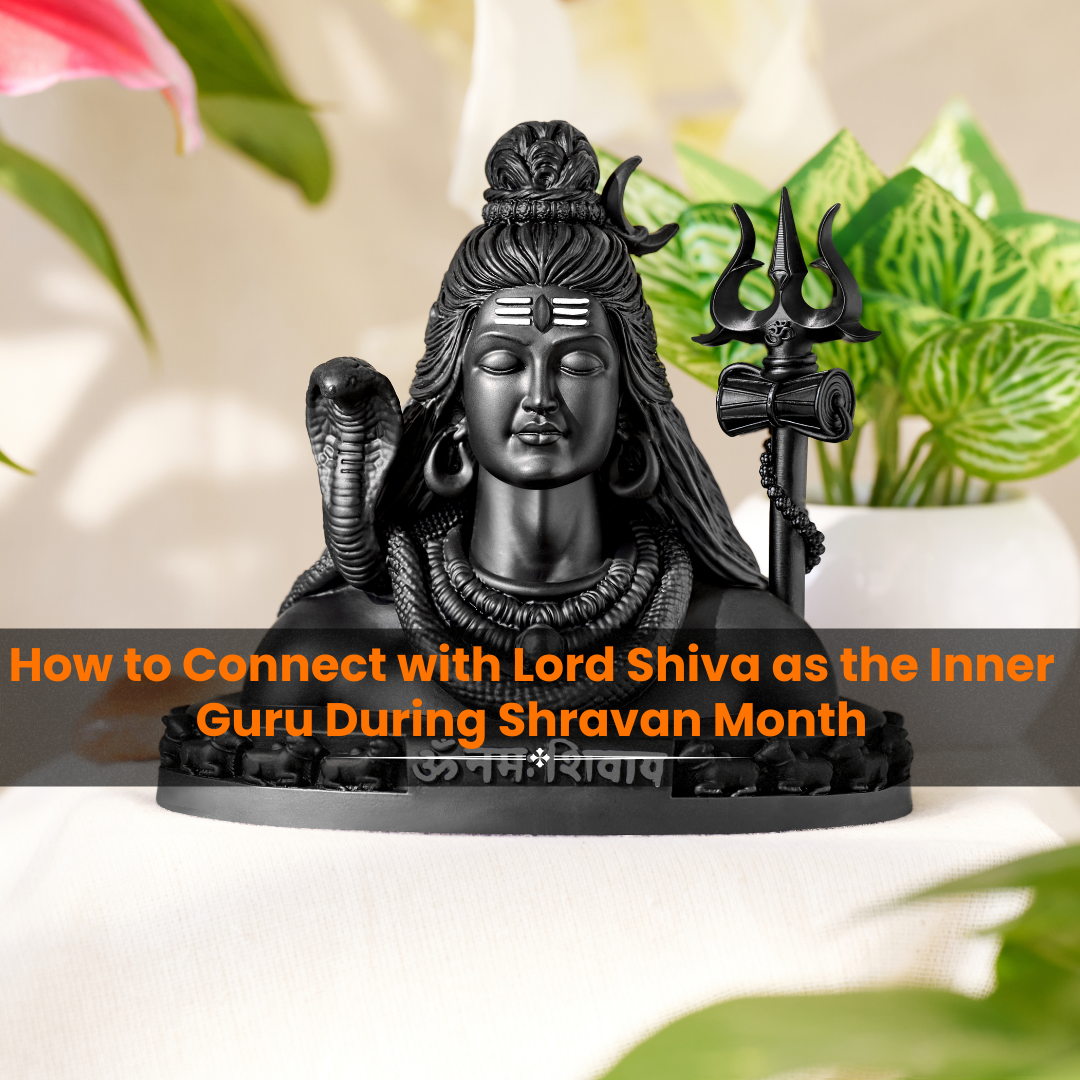
How to Connect with Lord Shiva as the Inner Guru During Shravan Month
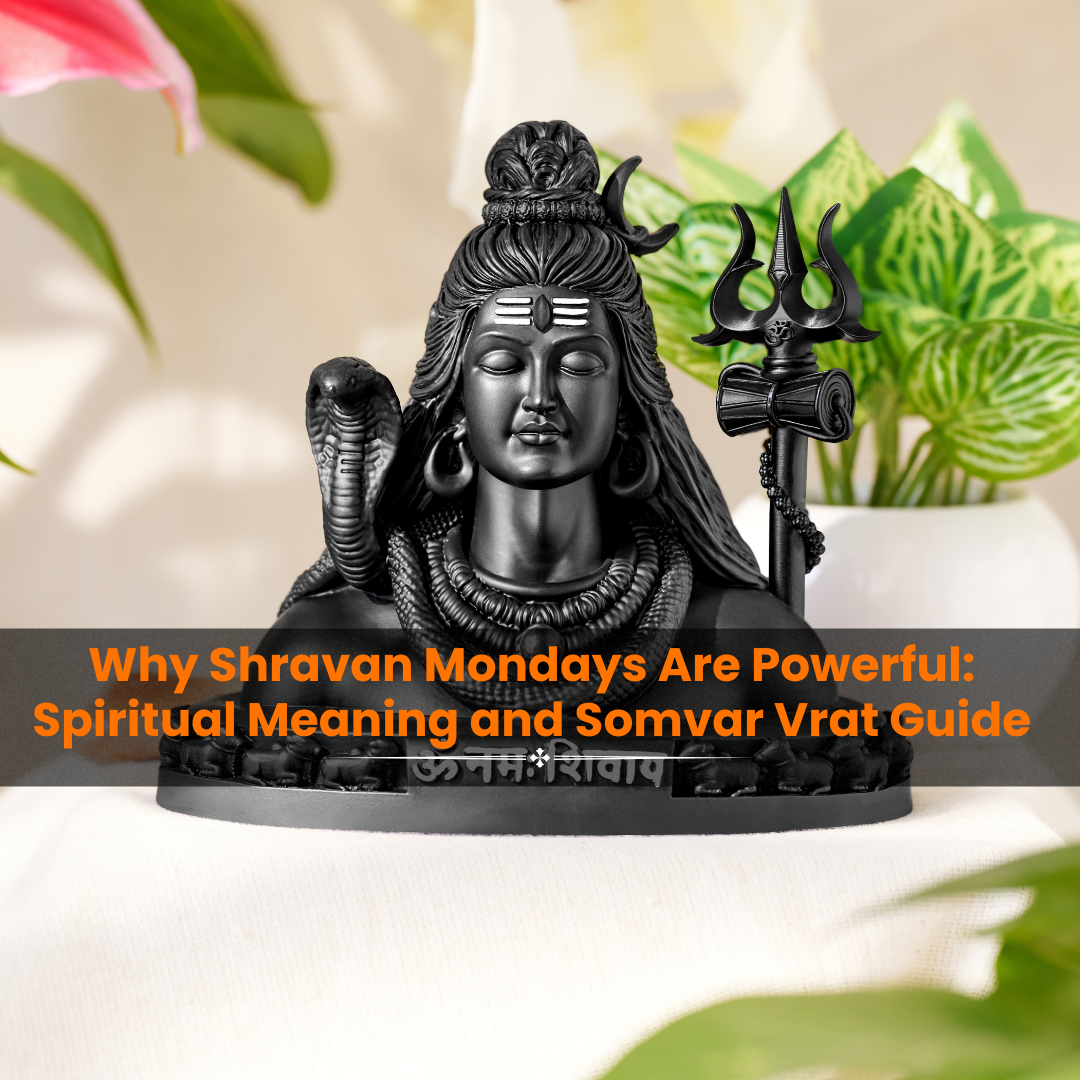
Why Shravan Mondays Are Powerful: Spiritual Meaning and Somvar Vrat Guide

