


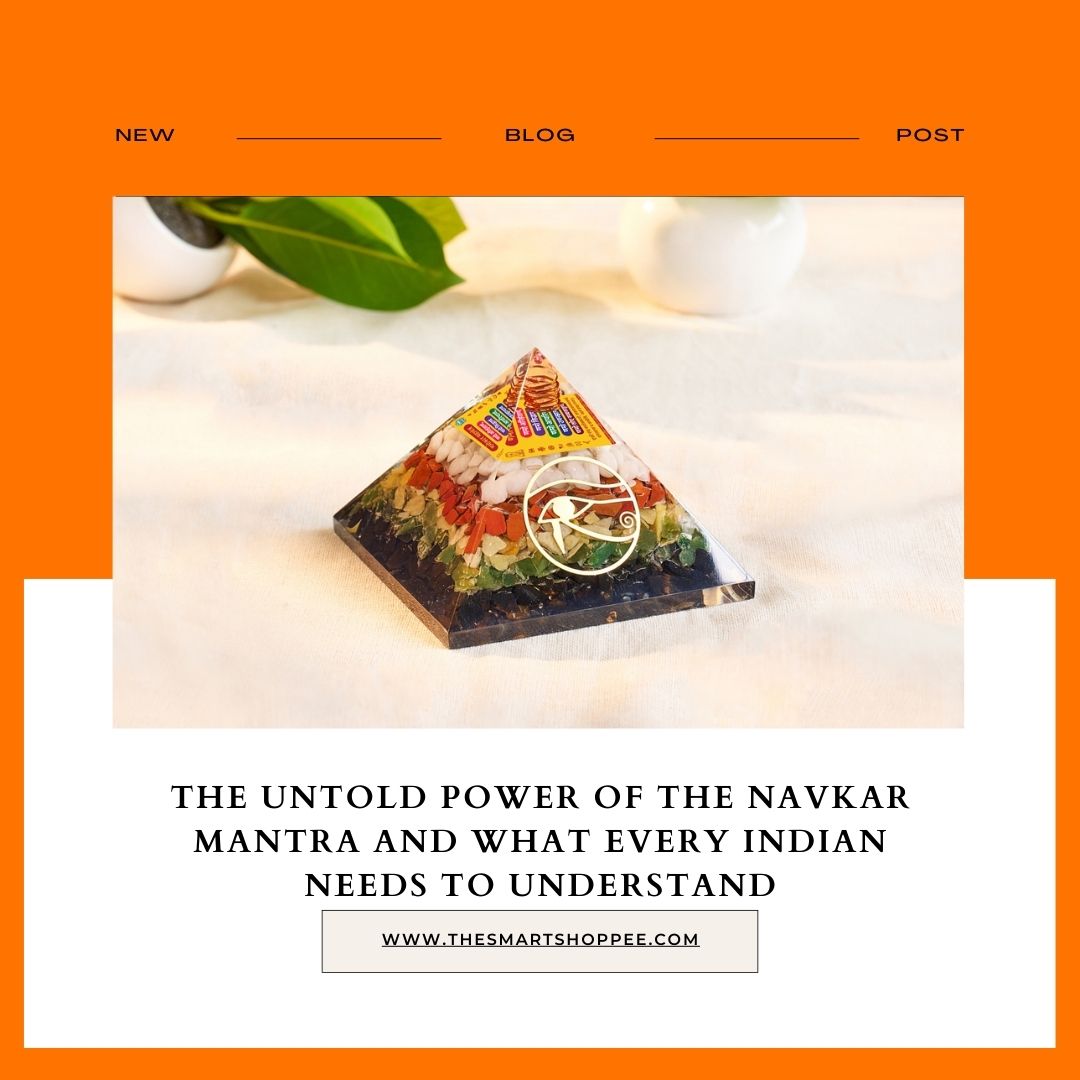
The Untold Power of the Navkar Mantra and What Every Indian Needs to Understand
Imagine a mantra so ancient, so powerful, that it has been recited for over 2,500 years
long before most religions even came into existence.
A mantra that doesn’t ask for wealth, power, or blessings from a deity, yet holds the essence of India’s spiritual wisdom.
This is the Navkar Mantra—the heart of Jainism, but in truth, a gift to all of humanity. While millions chant “Om” or “Gayatri Mantra” daily, very few truly understand the immense spiritual depth of the Navkar Mantra. Unlike other prayers that seek divine intervention, the Navkar Mantra is a pure vibration of reverence, aligning with the very fabric of India’s rich spiritual heritage.
If you’ve never given this mantra much thought, this might change everything. Let’s explore why the Navkar Mantra is one of the most profound spiritual tools India has ever produced.
Navkar Mantra: Beyond Religion, Beyond Borders
The Navkar Mantra is not a prayer to any god. Let that sink in.
Unlike most religious chants that invoke a supreme being for help, this mantra is an ode to enlightened souls—the Arihants (spiritually liberated beings), Siddhas (pure, liberated souls), Acharyas (spiritual teachers), Upadhyayas (guides), and Sadhus (monks). It doesn’t seek material gain, but instead, bows down to the very essence of spiritual wisdom and enlightenment.
This is where it aligns beautifully with India’s core spiritual philosophy—seeking self-realization, not external favors.
In Hinduism, the Upanishads and Vedanta emphasize self-inquiry—“Who am I?” In Buddhism, the ultimate goal is Nirvana, which is liberation from suffering. In Jainism, Moksha (liberation) is attained by self-purification. The Navkar Mantra is an expression of that journey. It’s a reminder that enlightenment is possible, not through rituals or divine grace, but through discipline, self-awareness, and wisdom.
The Ancient Roots of the Navkar Mantra in India’s Spiritual DNA
To truly understand why the Navkar Mantra is so important, we need to go back to the time of the Indus Valley Civilization (3300–1300 BCE). This was a civilization that showed deep spiritual tendencies—meditation postures found on seals suggest early forms of asceticism.
Fast forward to the Vedic period (1500 BCE), and India saw the rise of great philosophical texts like the Upanishads, which spoke about self-realization, non-attachment, and the idea that the soul (Atman) is eternal. Around the same time, Jainism and Buddhism emerged as powerful movements challenging the rigid ritualism of Vedic sacrifices. They emphasized direct spiritual experience over dogma.
The Navkar Mantra was born in this era of intellectual and spiritual awakening. It encapsulated a revolutionary thought process—one that encouraged self-improvement over blind devotion.
Just as the Bhagavad Gita speaks of karma and selfless duty, and the Dhammapada (Buddhist teachings) focuses on mindfulness and detachment, the Navkar Mantra reinforces the Jain path of non-violence, truth, and inner purification.
The Science of Sound: Why the Navkar Mantra Is More Than Just Words
Here’s something fascinating—mantras are not just spiritual chants, they are vibrations that affect our consciousness.
Ancient Indian sages believed that sound could influence the mind and body, and modern science agrees. Studies on sound frequencies show that repeated chanting of mantras like "Om" can reduce stress, improve concentration, and even slow down brain activity to a meditative state.
The Navkar Mantra, with its rhythmic recitation, creates a similar effect.
Each syllable carries a vibrational energy that aligns the mind with higher consciousness. The moment you chant:
"Namo Arihantanam" (I bow to the enlightened souls),
"Namo Siddhanam" (I bow to the liberated souls),
"Namo Ayariyanam" (I bow to the spiritual teachers),
"Namo Uvajjhayanam" (I bow to the preceptors),
"Namo Loe Savva Sahunam" (I bow to all monks and nuns),
…it’s as if you are tuning into the highest frequencies of wisdom known to mankind.
This is not blind faith. It’s neuropsychology. When you bow down in humility and detach from ego, the brain shifts from stress mode to a calm, peaceful state. It’s the same principle seen in mindfulness meditation today.
Navkar Mantra & The Indian Concept of Non-Violence
Perhaps the most profound way the Navkar Mantra aligns with India’s spiritual heritage is through Ahimsa (non-violence).
India has given the world Gandhi’s philosophy of non-violence, deeply rooted in Jain teachings. But this wasn’t just political—it was a way of life.
The Navkar Mantra is a daily reminder of non-violence in thought, word, and deed. When we chant it, we are acknowledging the importance of enlightened souls who attained liberation without harming any living being.
Hinduism’s principle of "Ahimsa Paramo Dharma" (Non-violence is the highest virtue) and Buddhism’s emphasis on compassion all echo the same truth.
In an era where hatred, conflict, and division are widespread, the world desperately needs the message of the Navkar Mantra—to bow down, to let go of ego, and to cultivate peace.
Why Every Indian—Jain or Not—Should Know the Navkar Mantra
You don’t have to be a Jain to appreciate the wisdom of the Navkar Mantra. Just like Yoga is not just for Hindus, and meditation is not just for Buddhists, the Navkar Mantra is not just for Jains.
It is a universal chant that promotes humility, respect for wisdom, and a reminder that we are all on a journey of self-discovery.
If you’ve ever found yourself overwhelmed by life’s problems, stressed by the fast-paced world, or searching for meaning—try chanting the Navkar Mantra.
Let it sink into your mind.
Let it calm your thoughts.
Let it remind you that enlightenment is possible.
Because at the end of the day, India’s spiritual heritage is not about religion—it’s about awakening. And the Navkar Mantra is one of the most powerful tools to get there.
So, the next time you seek peace, don’t just look for solutions outside.
Chant the Navkar Mantra. Align with India’s spiritual essence. And find the answers within.
The Power of the Navkar Mantra and Why Every Indian Needs to Know It
How the Navkar Mantra Enhances Mindfulness and Mental Well-being
Related Posts

Shop Exquisite Ram Lalla Idols Online | Dussehra 2025 Celebration

Divine Diwali Gifts: Hindu God Idols for Home & Loved Ones

God Idols for Gifting: Housewarming, Birthday, Anniversary & Corporate

Corporate Gifting Hindu God Idols | Handcrafted Spiritual Gifts

How to Celebrate Paryushan with Navkar Maha Mantra Pyramid.
How to Connect with Lord Shiva as the Inner Guru During Shravan Month
Why Shravan Mondays Are Powerful: Spiritual Meaning and Somvar Vrat Guide

