


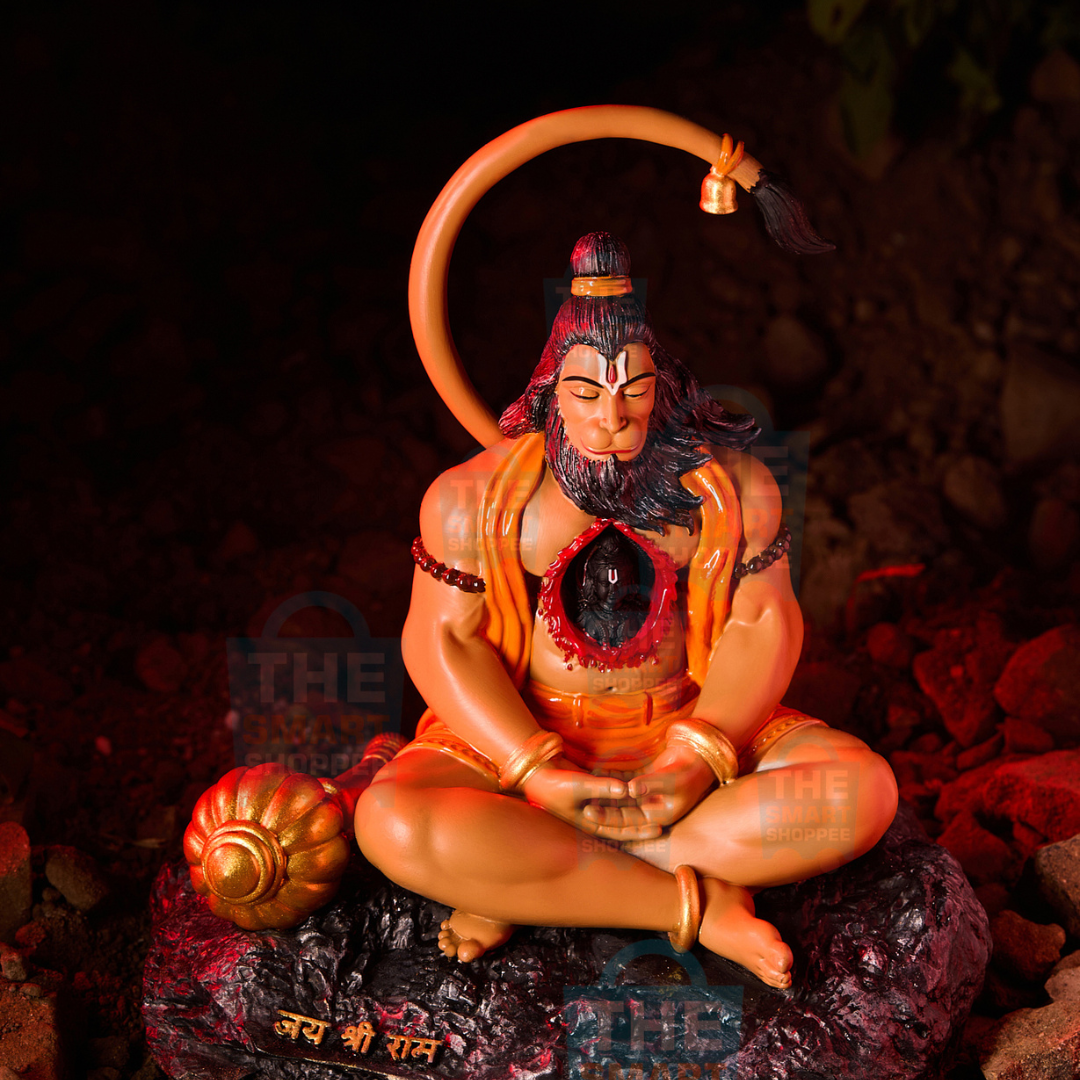
Why Hanuman is Worshipped with Oil and Sindoor
Introduction
Hanuman, the beloved monkey god, is honored in Hinduism for his strong devotion to Lord Rama. His worship involves various rituals, among which applying sindoor (vermilion) and offering oil holds special significance. In this blog, we will explore why these offerings are made to Hanuman and their deeper meanings.

The Significance of Sindoor
1. Symbol of Love and DevotionSindoor is often associated with marriage and love. When devotees apply sindoor on Hanuman's idol or picture, it symbolizes their love and dedication. It is a gesture that reflects the devotee's relationship with Hanuman, showcasing the strong bond between the two.
2. Representation of StrengthIn many temples, Hanuman is depicted with a sindoor-covered forehead. This represents his strength and valor. By applying sindoor, devotees seek Hanuman's blessings for courage and the ability to overcome challenges.
3. Connection to Lord RamaHanuman is known for his deep devotion to Lord Rama. It is said that Hanuman applied sindoor on his body to please Rama's wife, Sita. Therefore, offering sindoor to Hanuman is also a way of connecting with Lord Rama and seeking his grace.
The Role of Oil in Worship
1. Symbol of Purity and ProsperityOil is often seen as a purifying agent in Hindu rituals. By offering oil to Hanuman, devotees believe they are inviting purity and prosperity into their lives. It represents the light that dispels darkness, symbolizing hope and positivity.
2. Strength and EnergyOil is also a source of energy. Just as oil fuels a lamp, it is believed that offering oil to Hanuman fuels one’s life with strength and energy. Devotees often seek Hanuman’s blessings for physical and mental strength, making this offering significant.
3. Importance in RitualsIn many Hindu rituals, oil lamps (diyas) are lit as a sign of respect. When devotees light a lamp using oil in front of Hanuman's idol, they invoke divine light and guidance. It is a way to express gratitude and seek protection from negativity.
Combining Sindoor and Oil
1. Complete WorshipOffering both sindoor and oil during Hanuman's worship signifies a holistic approach. While sindoor represents love and devotion, oil symbolizes purity and strength. Together, they create a powerful blend that enhances the devotee's connection with Hanuman.
2. Seeking BlessingsDevotees often pray for strength, courage, and protection. By combining these offerings, they seek Hanuman's blessings in all aspects of life, be it personal, professional, or spiritual.
Conclusion
Worshipping Hanuman with oil and sindoor is more than just a ritual; it is a heartfelt expression of devotion. These offerings symbolize love, purity, strength, and connection to the divine. By understanding the significance behind these practices, devotees can deepen their relationship with Hanuman and invite his blessings into their lives.
The New Raksha Bandhan Trend: Divine Blessings Replace Conventional Gifts!
Namami Shamishan Nirvan Roopam: Meaning, Origin, and Significance
Related Posts

Tirupati Balaji Black and Gold Idol for Home: Significance, Benefits & Buying Guide

Shiva Dashboard Idol for Diwali Gifting: A Thoughtful Corporate Gift for Employees & Clients

Hanuman Idol for Home & Gifting: Meaningful Spiritual Gifts for Every Occasion

Ram Lalla Diwali Corporate Gifts: Meaningful Gifting Ideas for Employees, Clients & Bulk Buyers

Siddhivinayak Ganpati Idol for Diwali: Corporate & Bulk Gifting Ideas for Employees and Clients

Ram Lalla Diwali Gifts: Meaningful Corporate & Bulk Gifting Ideas for Employees and Clients

What HR Teams Should Look for Before Placing a Bulk Corporate Gift Order
